Turnkey interiors or separate vendors: what changes for your home

Most homeowners meet this decision early: hire a designer and then bring in a carpenter, an electrician, a painter and a lighting vendor one by one, or give the whole home to a single team. Both routes can produce a good home. They ask very different things of you along the way.
What turnkey means in practice
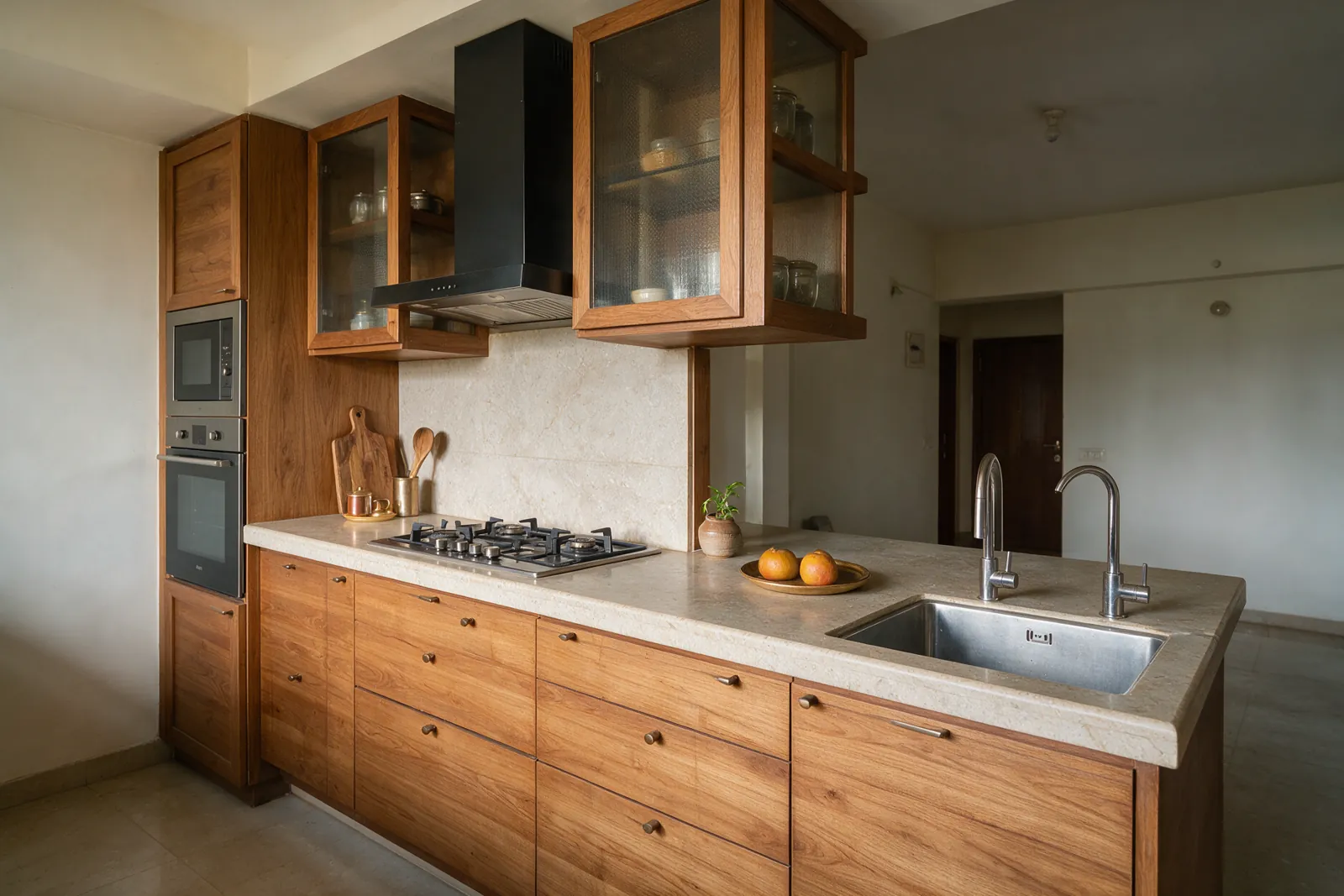
A turnkey interior project puts design, production, installation and finishing under one agreement and one team. You are not handed a set of drawings to execute yourself. You receive a finished home, with the lights working, the wardrobes aligned and the kitchen ready to use.
The word is used loosely, so it is worth checking what sits behind it. A real turnkey provider designs the home, makes the woodwork, manages the trades on site and takes responsibility for the handover. A provider that only passes your drawings to outside contractors is coordinating, not delivering.
How a multi-vendor project actually runs
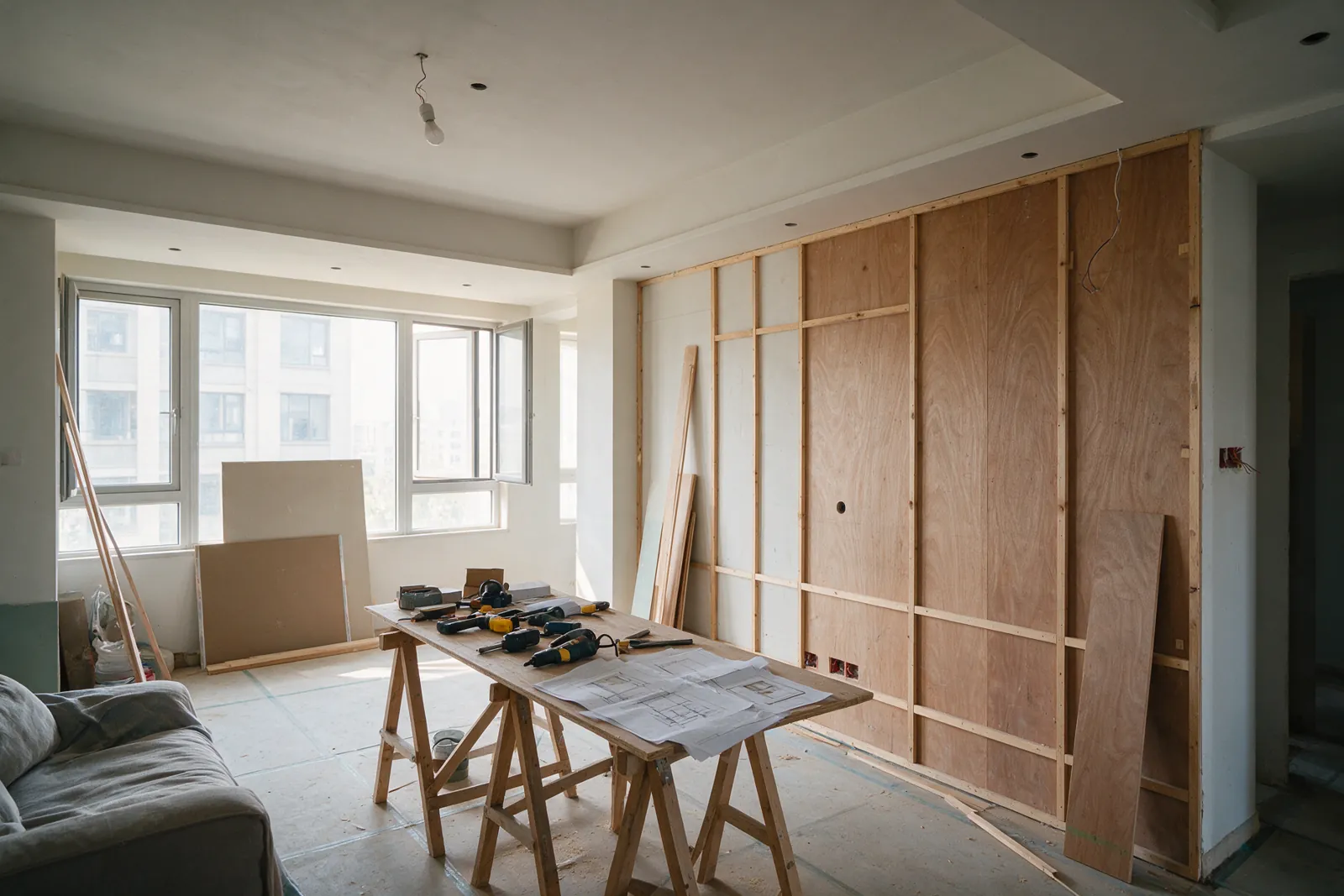
With separate vendors, you become the project manager. Each vendor quotes for their own scope, and the gaps between scopes are where most surprises appear.
- The carpenter finishes the wardrobes before the electrician has marked the points, so channels are cut into new panels.
- The false ceiling is closed before the lighting plan is final, and a fitting has to be moved.
- Paint is touched up after one trade, then damaged by the next.
None of this is anyone's bad intent. It happens because nobody owns the sequence. When a problem appears, each vendor can reasonably say it sits outside their scope.
The two routes side by side
| Question | Turnkey | Separate vendors |
|---|---|---|
| Who coordinates the trades? | The turnkey team | You, or a consultant you hire |
| Who is accountable if something is off? | One company | Whichever vendor's scope it falls under, often disputed |
| Design and execution | Planned together, so details are built as drawn | Depends on how well drawings are passed between vendors |
| Control over the timeline | One schedule, with production and site work planned in parallel | Several schedules that must be matched by hand |
| Your time commitment | Decisions at set points | Frequent calls, site visits and follow-ups |
Where turnkey is not the right fit
Turnkey is not the answer to every project. If you only want to repaint two rooms, buy a sofa or replace a single wardrobe, a full turnkey engagement is more than you need. And if you enjoy managing a site and have the time to do it well, working with separate vendors can give you very fine control over each choice.
Turnkey makes the most sense for a full home, a new apartment or villa, or any project where several trades have to work in a fixed order and you would rather not run that sequence yourself.
Questions to ask any turnkey provider
- Do you manufacture the woodwork yourselves, or is it outsourced? Where is it made?
- Who will be my single point of contact from design to handover?
- What exactly does the warranty cover, and where can I read the terms?
- How are changes handled after the design is frozen?
- What does the handover include, and how are remaining snags closed?
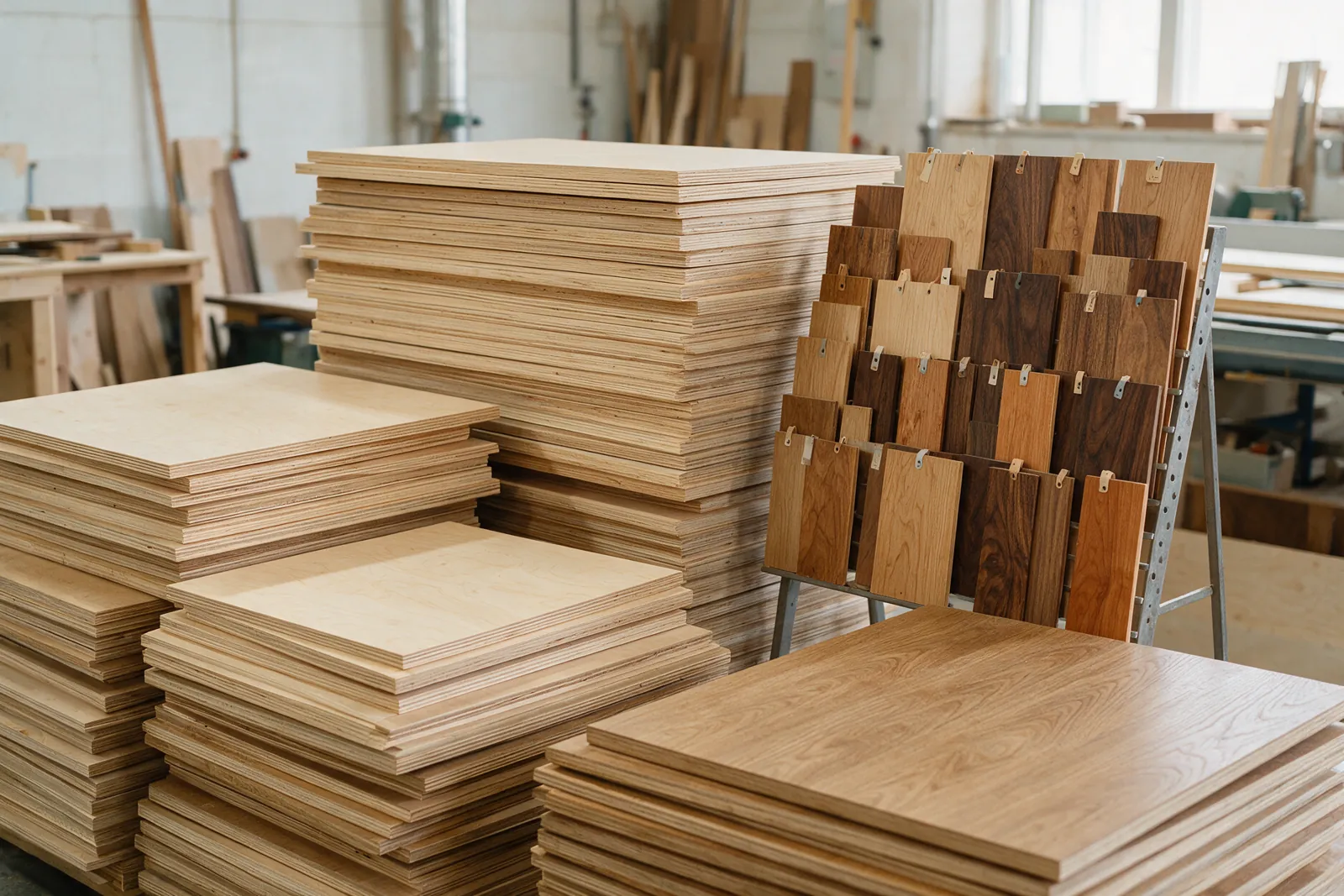
Ask each provider to show you how the work is actually done. At Nuvora, design, manufacturing and installation run as one integrated system: the woodwork is made in our own 45,000+ sq ft facility by 200+ trained artisans, and a designer stays with your project from the first meeting to handover. The easiest way to judge it is to see the finishes in person at our Experience Center in Sarjapura.
Frequently asked questions
Is turnkey more expensive than hiring separate vendors?
Not necessarily. The line items can look similar. The difference is in who carries the risk of rework, delay and coordination. With separate vendors those costs often fall on you and appear later. Ask for an itemised, scoped quotation from both routes and compare like with like.
Can I still choose my own materials and finishes in a turnkey project?
Yes. A good turnkey team works from your brief and shows you real samples to choose from. Turnkey means one team is responsible for the result, not that the choices are taken away from you.
How long does a turnkey project take?
It depends on the size of the home and how quickly decisions are made. Our guide to the stages of a full-home project explains what happens and when. Your designer will confirm a schedule once the scope is final.
Who do I contact if something needs attention after handover?
You should have a single service contact. Ask any provider to give you that name, and the warranty terms, in writing before you sign.